
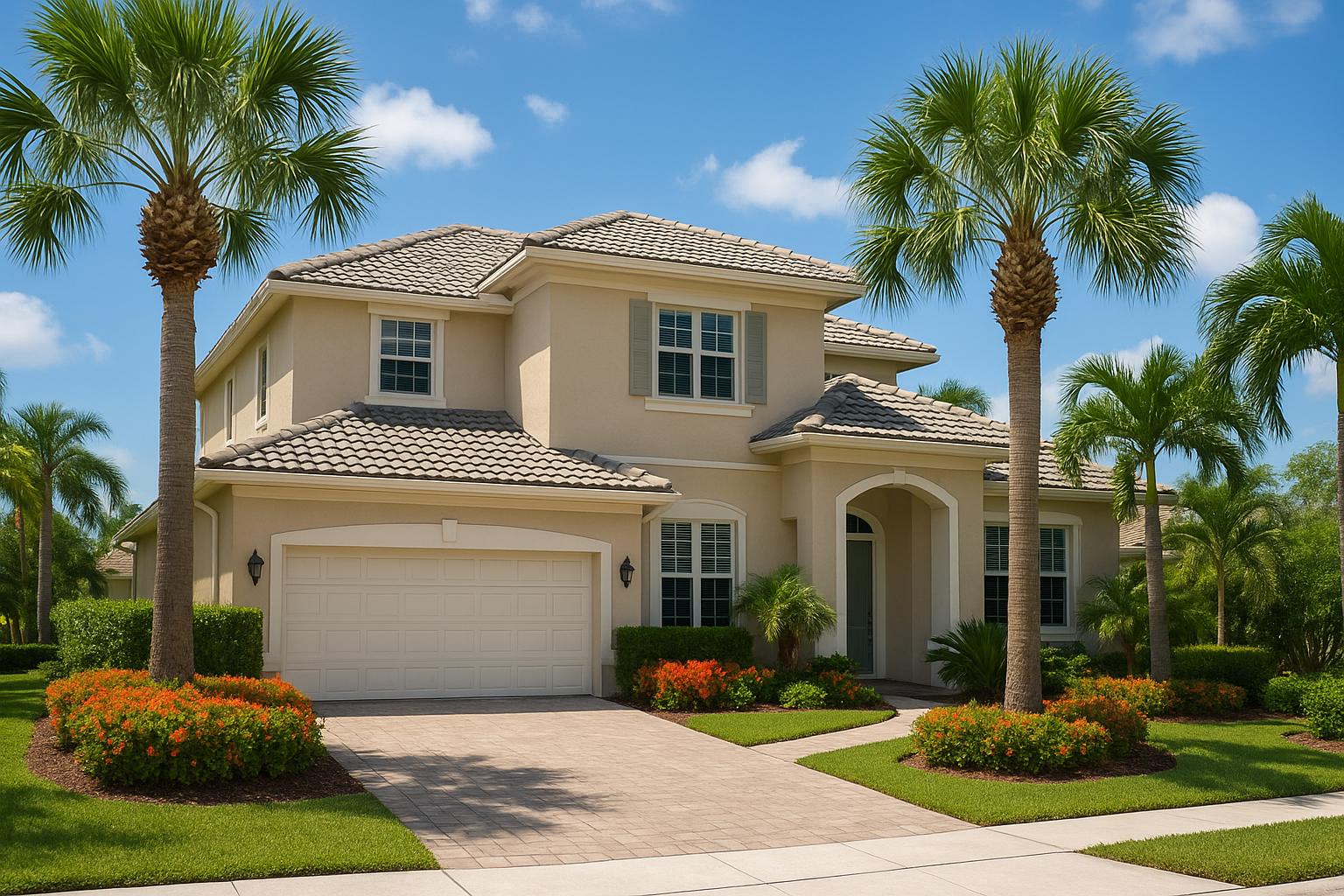
Finding the best homeowners insurance quotes in Florida can feel overwhelming, especially with so many options available. Because the state faces frequent hurricanes and unpredictable weather, insurance is not just a good idea; it is essential. To protect your investment and peace of mind, you need to understand how Florida homeowners’ insurance works. By learning what influences your rates and how to compare options, you can secure coverage that fits both your needs and your budget. Exploring these details step by step will make the process much easier.
Understanding the Importance of Homeowners Insurance in Florida
In Florida, homeowners’ insurance is not only about protecting your house; it is about ensuring your entire way of life. Because of the state’s unique climate and the risk of natural disasters such as hurricanes and flooding, insurance provides critical financial protection. Without adequate coverage, you could face devastating costs if your property is damaged or destroyed. Insurance offers support for repair costs, temporary living expenses, and even liability if someone gets hurt on your property. When you consider the value of your home and personal belongings, choosing the right policy becomes a top priority.
Moreover, many mortgage lenders in Florida require homeowners’ insurance as part of their loan agreements. Lenders want to make sure their investment is protected if a disaster strikes, so going without insurance is usually not an option. In addition, insurance helps you quickly rebuild or repair after an incident so you can get back to normal with less hassle. Knowing you have coverage also gives you confidence, especially during hurricane season when storms are more likely. Whether you own a condo, a single-family home, or a vacation property, the need for insurance remains the same.
As you shop for insurance, remember that policies often vary widely in terms of what they cover. Some may protect against wind and hail but exclude flooding, while others offer more comprehensive coverage. Because Florida is prone to both wind and water damage, you need to review policies carefully. Homeowners’ insurance acts like a safety net, so the strength of your coverage matters. By understanding its importance, you can make smarter decisions when searching for the best quotes.
Key Factors Affecting Homeowners’ Insurance Quotes
Several important factors can influence homeowners’ insurance quotes in Florida. Location is one of the main drivers because homes closer to the coast face a greater risk of hurricanes and flooding. Insurers also look at the age and condition of the house, since updated roofs, plumbing, and electrical systems can lower the chances of costly damage. The materials used to build your home, as well as its overall size, will further impact your rate.
Additionally, your claims history affects the quotes you receive. If you have filed several claims in the past, insurers may view you as a higher risk and charge more. Credit score often plays a role as well, because many companies use credit information to predict the likelihood of future claims. Keeping a good credit score and maintaining your property can help you qualify for better rates.
Furthermore, the type and amount of coverage you select will change how much you pay. Higher coverage limits or additional options, like flood insurance or personal property protection, will raise your premium. On the other hand, choosing a higher deductible can sometimes lower your rate. By understanding these factors, you can make informed choices when requesting and comparing quotes.
Effective Ways to Compare Florida Insurance Providers
To find the best Florida homeowners insurance quotes, you need to compare providers thoughtfully and thoroughly at https://floridainsurancequotes.net/florida-homeowners-insurance/. Start by gathering quotes from several reputable companies, either through their websites or by speaking with local agents. Online comparison tools can help you see rates side by side, which makes it easier to spot differences in pricing and coverage. However, be sure to compare similar policies so you are making an apples-to-apples decision.
As you review quotes, consider more than just the price. Some companies may offer lower premiums, but exclude coverage that you need, such as hurricane or flood protection. Always read the policy details and ask about any notable exclusions or limitations. Checking customer reviews and ratings can also give you valuable insights into how providers handle claims and support their clients.
In addition to online research, speaking with an independent insurance agent can help you find hidden deals and discounts. Agents often represent multiple companies and can explain complex policy terms in simple language. Because Florida’s insurance market can change rapidly, they may also be aware of recent changes in regulations or pricing. Taking the time to compare carefully ensures you get the best value and coverage for your home.
Tips to Lower Your Florida Homeowners Insurance Premium
Lowering your homeowners insurance premium in Florida is possible with a few smart steps. First, consider making home improvements that reduce your risk of damage, such as installing storm shutters, impact-resistant windows, or a new roof. Insurers often offer discounts for these upgrades because they help protect your home from severe weather. Regularly maintaining your property can also prevent problems that might lead to claims.
Next, ask insurers about available discounts. Many companies offer lower rates for bundling your homeowners policy with auto or life insurance, having a monitored security system, or going several years without filing a claim. Increasing your deductible is another way to lower your premium, though you will need to pay more out of pocket if you file a claim. Reviewing your coverage every year and updating it as your needs change can also help you avoid paying for unnecessary extras.
Additionally, maintaining a high credit score can positively impact your insurance costs. Paying bills on time and monitoring your credit report will show insurers that you are a responsible customer. By combining these tips, you can make your policy more affordable without sacrificing the protection you need for your Florida home.
Common Mistakes to Avoid When Requesting Quotes
When seeking homeowners insurance quotes in Florida, people often make a few common mistakes that can cost them money and coverage. One major mistake is not providing accurate or complete information about your home and personal history. If your application has errors or missing details, you may receive incorrect quotes or face problems when you file a claim. Always double-check your home’s details, such as its age, square footage, and safety features, before submitting your information.
Another frequent misstep is focusing only on the lowest price without considering the quality of coverage. Some policies may have lower premiums but also carry higher deductibles or serious coverage gaps. Failing to review policy exclusions and limits can leave you vulnerable to unexpected expenses after a disaster. Always read your quotes carefully and ask questions to understand exactly what the carrier includes.
Finally, many homeowners forget to update their policy after making changes to their property, such as renovations or installing safety upgrades. Insurers need up-to-date information to give accurate quotes and provide the proper protection. Missing out on new discounts or coverage options can end up costing you more in the long run. By avoiding these mistakes, you can make the quoting process smoother and more effective.
Choosing the Best Homeowners Insurance Policy for You
Selecting the best homeowners insurance policy in Florida comes down to balancing cost, coverage, and customer service. Begin by reviewing your needs, including your home’s value, location, and any unique risks you face. Then compare policies that offer the right blend of protection against common Florida hazards, such as wind, hail, and flooding. Always check if you need extra coverage, as standard policies often exclude flood damage.
Because every insurer offers different options, take the time to read policy documents and ask for clarification when something is unclear. Look for companies with strong reputations for fair claims handling and responsive customer service. Referrals from friends and family or online reviews can help you identify trustworthy providers. When possible, choose a policy that can grow with you as your needs change, rather than one that just meets your requirements today.
As a final step, make sure the policy you choose fits comfortably within your budget. Even the best coverage needs to be affordable for your family. Ask about payment plans, discounts, and any changes to your premium that might occur over time. When you find a company that offers the coverage you want at a price you can manage, you will feel secure and confident about your decision.
Conclusion
Securing the right homeowners insurance in Florida does not have to be stressful. By understanding the key factors that impact your quotes and comparing several providers, you can make smarter decisions for your home and your family. Taking the time to review your coverage options and ask questions helps you avoid costly mistakes and ensures you get the protection you need. Remember to take advantage of available discounts and make home improvements that lower your risk. It is equally important to update your insurer whenever you make significant changes to your property. Avoiding common pitfalls during the quoting process will save you time and money in the long run. Choosing a reputable insurance provider with a strong track record of customer service will help you feel confident in your policy. With a thoughtful approach, you can find coverage that fits your needs and budget. Ultimately, the right Florida homeowners insurance policy will provide you with peace of mind, knowing your home is safe no matter what challenges the weather brings.