
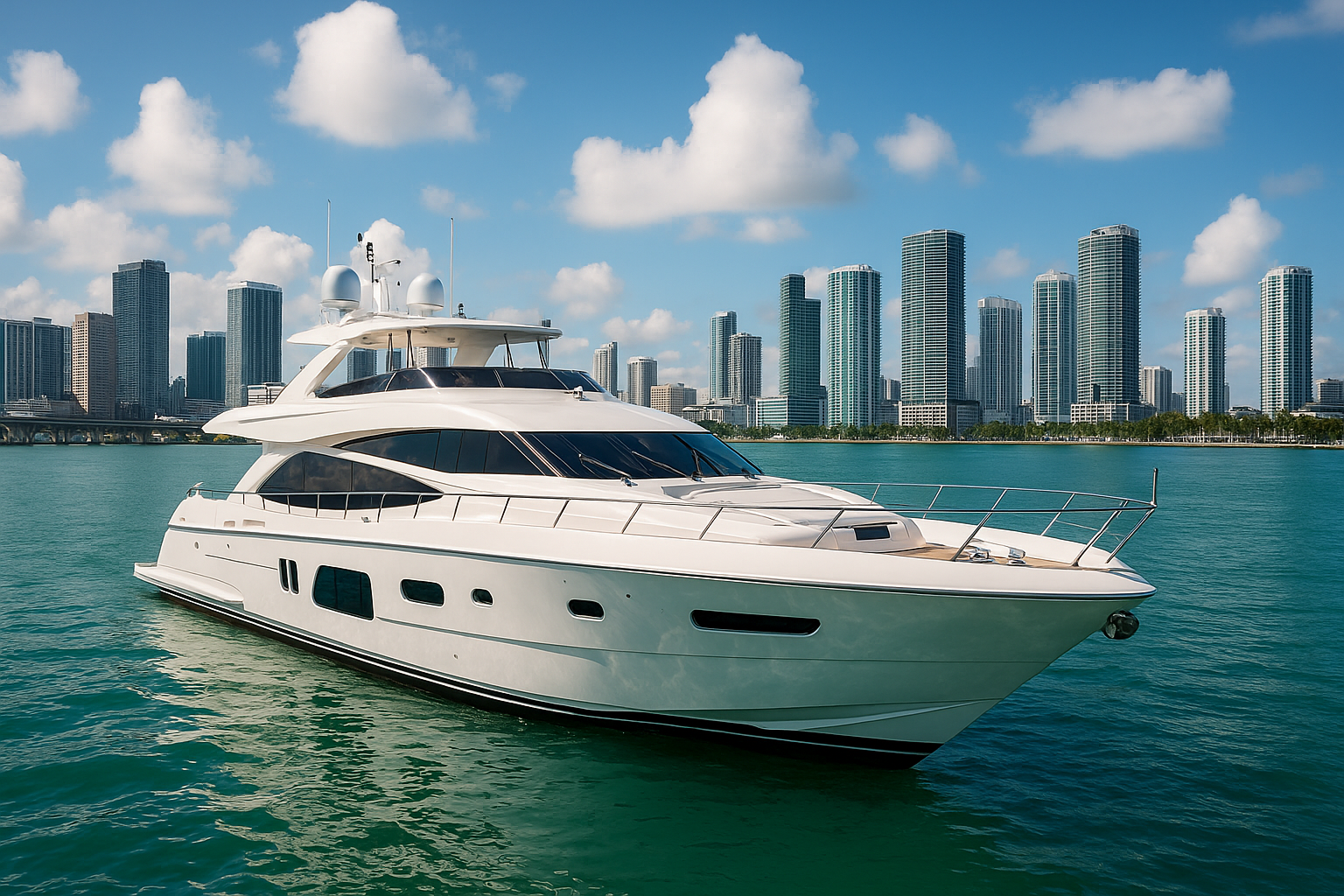
Every year, countless boaters in Florida head out onto the water to enjoy the state’s beautiful coastlines and sparkling lakes. With so many people enjoying boats, accidents and unexpected events can happen at any time. Because of this, reliable Florida boat insurance has become more critical than ever. Boating in Florida is not only a popular pastime, but it is also a significant investment for many. Consequently, making wise choices about protecting that investment is crucial. As the risks on the water continue to rise, boat owners must stay prepared. For those seeking both security and peace of mind, boat insurance is no longer an option but a necessity. In the following sections, you will learn precisely why every Florida boater needs reliable boat insurance today.
Understanding the Importance of Boat Insurance in Florida
Florida’s climate and geography make it one of the best places in the country for boating, but these same features also create unique risks. Storms and hurricanes can strike with little warning, often leaving boats damaged or destroyed. In addition, busy waterways mean an increased chance of accidents, no matter how experienced a boater may be. Boating in Florida requires more than just skill or knowledge of the water; it demands preparation for whatever could go wrong. Insurance becomes essential in managing the financial risks that come with unexpected events. Because of all these factors, boat insurance in Florida provides a vital safety net for every responsible boater.
On Florida’s waterways, accidents can happen in an instant. Even the most cautious captain can be involved in a collision or cause damage to another vessel unintentionally. When an accident occurs, the costs can quickly add up, sometimes reaching thousands of dollars. With reliable boat insurance, boaters can avoid paying those expenses out of pocket. Many marinas and boat storage facilities in Florida now require proof of insurance before allowing access or docking privileges. For anyone who values their boat or enjoys spending time on the water, carrying insurance is an innovative and often necessary step.
Many boaters believe that if they are careful, they do not need insurance. However, Florida’s unpredictable weather, crowded waterways, and potential for theft mean that risks are always present. In addition, some homeowners’ policies offer limited or no coverage for boats, especially once they are on the water. By choosing a specialized Florida boat insurance policy at https://floridainsurancequotes.net/boat-insurance-quote/, boaters ensure protection tailored to their specific needs. Not only does this provide financial security, but it also adds comfort and confidence for every trip. For these reasons, understanding the importance of boat insurance in Florida is the first step toward safer boating.
Protecting Your Investment with Comprehensive Coverage
A boat is more than just a recreational vehicle; for many Floridians, it represents a significant financial and emotional investment. Therefore, protecting that investment means looking beyond basic liability coverage and considering comprehensive policies. Comprehensive boat insurance covers a wide range of risks, from property damage to theft and vandalism. Since Florida’s weather can be unpredictable, coverage for storm and hurricane damage is essential. With a good policy in place, boat owners can rest easier knowing they have obtained protection for their vessel in nearly any situation.
Comprehensive boat insurance goes further to cover not just the boat itself, but also essential accessories and equipment. For example, the carrier may include coverage for high-quality navigation systems, fishing gear, trailers, and even personal items stored on the ship. If an accident or disaster occurs, the costs to replace or repair these valuable items can be significant. Choosing comprehensive coverage means that both the boat and its contents are better protected. Additionally, many policies offer emergency services, towing, and even assistance for stranded boaters, making every outing safer and less stressful.
When shopping for boat insurance, it is essential to explore all available options and customize the coverage to fit your unique needs at https://floridainsurancequotes.net/boat-insurance-quote/. Different boats, whether sailboats, speedboats, or yachts, require different levels and types of protection. By working with an experienced insurance provider, boaters can find a policy that matches their lifestyle and boating habits. Moreover, investing in comprehensive coverage not only secures your financial future but also supports a responsible boating community. Every Florida boater deserves the peace of mind that comes from knowing their investment is fully protected.
Summary
In summary, boat insurance in Florida is not just a wise choice but a necessary one for every boater. With the state’s unpredictable weather, crowded waterways, and risk of accidents, going without insurance puts both your finances and your prized vessel at risk. Comprehensive coverage provides the security you need, ensuring that insurance protects both you and your boat from unexpected events. By investing in a reliable policy, you protect not only your property but also the enjoyment and freedom that come with boating. Peace of mind allows you to focus on making the most of your time on the water.
Furthermore, insurance supports a safer and more responsible boating community for everyone. As boating continues to grow in popularity across Florida, the risks will only increase. Now is the perfect time to assess your current coverage and make improvements if necessary. By acting today, you can enjoy every journey with confidence, knowing that you have prepared yourself for whatever comes your way. Every Florida boater truly benefits from having reliable Florida boat insurance, making it the most intelligent decision you can make for your boating future.