



Florida homeowners face a unique insurance market. Storms, wind, water damage, and rising repair costs all shape coverage choices. As a result, many people look for carriers that understand the state and its risks. Frontline Insurance often comes up in that search. The company focuses on property coverage and serves many coastal and high-exposure areas. Moreover, homeowners often want to know how Frontline handles hurricane risk, pricing, and claims. A clear review can help buyers compare options with more confidence. Therefore, it helps to look at what Frontline offers, how coverage works, and where the company may fit best.
What Frontline Insurance Offers in Florida
Frontline Insurance offers homeowners insurance designed for Florida property risks. In general, the company serves primary residences, seasonal homes, and some higher-value properties. Moreover, many buyers notice that Frontline places strong emphasis on dwelling protection and weather-related exposure. Coverage usually starts with the home itself, attached structures, and personal belongings. In addition, policies often include liability protection and loss-of-use coverage after a covered event. As a result, homeowners can build a policy that addresses both common losses and serious storm damage.
Florida buyers often want more than a standard home policy. Therefore, Frontline may offer optional coverages that help fill common gaps. For example, homeowners may consider water backup protection, equipment breakdown coverage, or scheduled personal property coverage. Moreover, some policyholders may add protection for screened enclosures or other structures common in Florida homes. Coverage options can vary by county, home age, and construction type. S, homeowners should review each form and endorsement closely before buying.
Frontline also stands out because it operates with a Florida-centered view. In many cases, that matters because the state has rules, weather patterns, and claim trends that differ from other markets. Furthermore, insurers in Florida must manage hurricane exposure carefully, which affects underwriting and availability. Frontline aims to serve homeowners who need a carrier comfortable with coastal and storm-related risk. As a result, some buyers may find options that feel more tailored than national one-size-fits-all plans. Still, homeowners should compare policy language rather than rely solely on broad marketing points.
How Frontline Covers Florida Home Risks
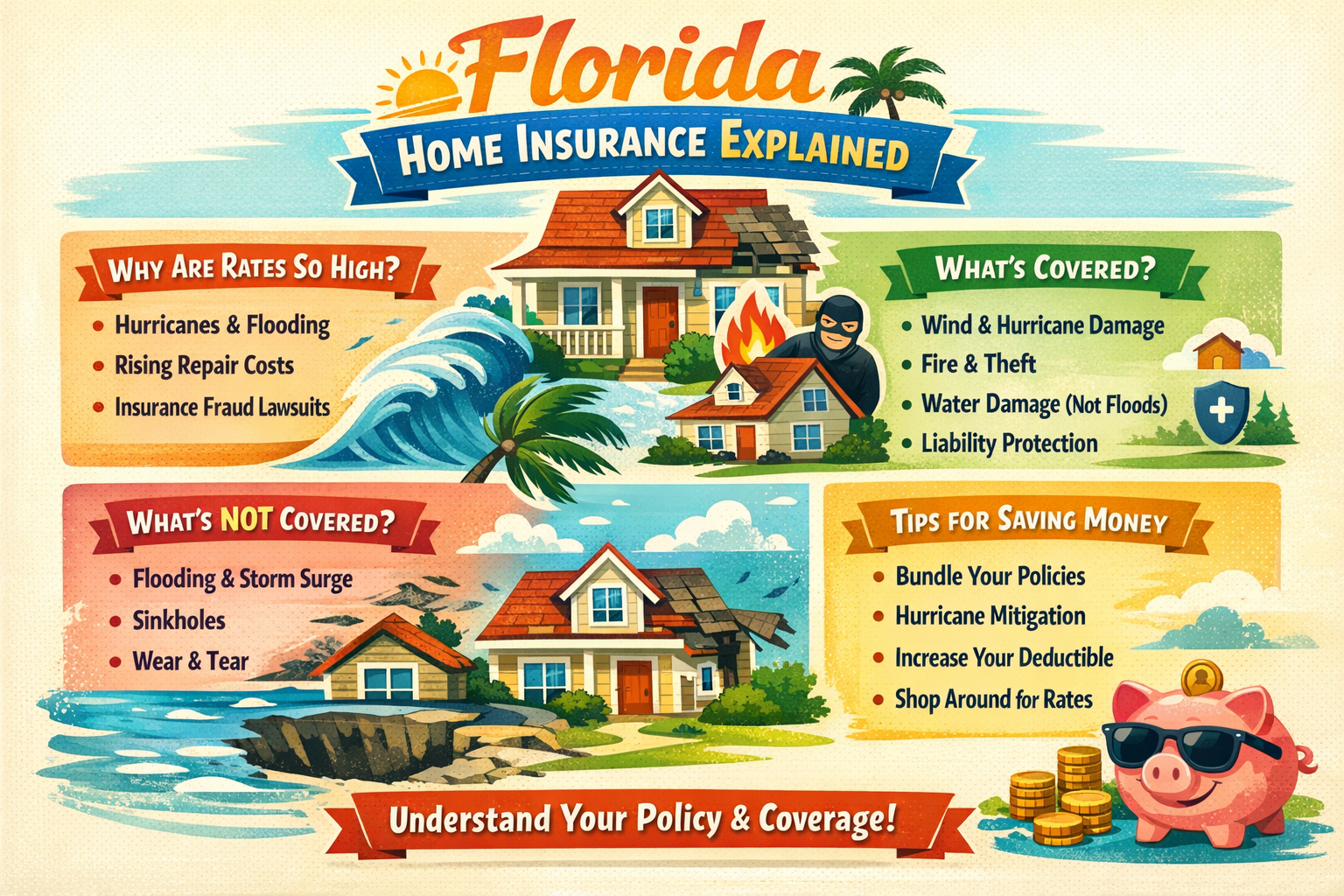
Florida homes face wind, rain, hail, and sudden water losses more often than homes in many other states. Because of that, Frontline structures coverage around major property threats in the region. A standard policy generally protects the dwelling against damage caused by a covered peril. In addition, personal property coverage may help replace belongings after a qualifying loss. Loss of use coverage can also help with temporary living expenses if the home becomes unlivable. Therefore, a Frontline policy can provide support after a storm, fire, or other covered event.
Hurricane risk plays a major role in any Florida insurance decision. Accordingly, Frontline policies may include separate hurricane deductibles, which are often based on a percentage of the insured value. Homeowners need to understand that amount before the storm season begins. Moreover, wind mitigation features like roof shape, shutters, and reinforced construction can affect both eligibility and price. Frontline may also review roof age, prior claims, and proximity to the coast during underwriting. As a result, the company tries to balance coverage availability with the high cost of catastrophe exposure.
Water damage creates another major concern for Florida homeowners. However, not every type of water loss is treated the same under a homeowners policy. Frontline may cover sudden and accidental water damage from certain plumbing or appliance failures, depending on policy terms. On the other hand, flood damage usually requires a separate flood insurance policy. Therefore, homeowners near lakes, canals, or low-lying areas should never assume a standard policy covers rising water. Instead, buyers should confirm exclusions, limits, and endorsement options in plain detail before they commit.
Frontline Rates, Discounts, and Value
Frontline rates in Florida can vary widely from one home to the next. In general, insurers look at location, roof age, building materials, prior claims, and replacement cost. Moreover, homes near the coast or in wind-exposed areas may carry higher premiums. Newer homes with updated roofs and stronger construction often receive better pricing. In addition, the deductible can significantly affect the annual cost. Therefore, no homeowner should judge value by a quote alone without reviewing the coverage details.
Discounts can improve affordability if a home meets certain standards. For example, wind mitigation credits may lower premiums when a property has impact-resistant features or verified roof protection. Additionally, newer electrical, plumbing, and HVAC systems may support better underwriting results. Some homeowners may also save by bundling coverages when available or by choosing paperless and other account features. However, discount availability depends on the home, the county, and current company rules. So, buyers should ask for a full list of credits rather than assume every discount applies.
Value goes beyond a low monthly payment. In fact, a cheap policy can become costly if deductibles are too high or exclusions leave major gaps. Frontline may offer good value for homeowners who need solid storm-aware coverage from a company active in Florida. Moreover, some buyers may prefer to pay more for a carrier with a stronger focus on property insurance in the state. Still, shoppers should measure every quote against protection limits, optional coverages, and claim responsiveness. As a result, the best value often comes from a balanced mix of price, coverage strength, and service quality.
Customer Service and Claims Experience
Customer service matters a lot in homeowners insurance because policy questions often appear long before a claim. Frontline policyholders may interact with the company through agents, service representatives, or online tools. Moreover, a smooth billing and document process can make day-to-day account management easier. Homeowners often want fast answers about coverage changes, renewals, and deductibles. In addition, clear communication becomes especially important before hurricane season and after major weather alerts. Therefore, good service should feel useful in routine moments and not only during emergencies.
Claims experience carries even more weight because that is when insurance must prove its value. After a covered loss, homeowners want prompt contact, clear next steps, and fair handling. Accordingly, Frontline may use adjusters, inspection partners, and digital reporting tools to move the process forward. Response times can vary after large storms because claim volume often rises quickly across Florida. However, policyholders still expect regular updates and realistic timelines. So, the overall experience often depends on communication quality as much as the final payment amount.
Customer reviews can be mixed, which is common in the insurance industry. On one hand, some homeowners report professional service and smooth claim resolution. On the other hand, some customers express frustration about documentation requests, delays, or settlement disagreements. Furthermore, storm-related claims often create stress, and that can shape how people view every part of the process. Because of that, shoppers should read reviews with context and look for patterns rather than one isolated story. As a result, it helps to combine customer feedback with financial strength, complaint data, and agent insight.
Is Frontline a Good Fit for Homeowners
Frontline can be a good fit for Florida homeowners who want a carrier that understands the state’s specific property risks. In many cases, the company appeals to buyers who need serious wind and storm-focused coverage. Moreover, homeowners in coastal or high-exposure areas may appreciate an insurer built around Florida conditions. People with well-maintained homes and strong mitigation features may also find the company more attractive. In addition, buyers who value specialized property experience may prefer Frontline over a broader national brand. Therefore, the fit often depends on the home itself and the owner’s risk priorities.
Still, Frontline will not suit every homeowner. Some buyers may want the absolute lowest premium, while others may care more about deductible flexibility or broader endorsements. Furthermore, underwriting rules may affect eligibility for older homes, aging roofs, or properties with prior losses. Homeowners who dislike closely managed inspections or documentation requests may find the process frustrating. On the other hand, careful underwriting can also support long-term stability in a difficult market. So, the right choice depends on price, comfort level, and the property’s condition.
A smart shopping process always includes comparison. First, homeowners should request quotes from multiple Florida insurers with similar limits and deductibles. Next, they should compare hurricane deductibles, water damage terms, roof settlement language, and optional endorsements. Moreover, buyers should ask an agent to explain every major exclusion in simple terms. Financial strength ratings and complaint history also deserve attention before any final decision. As a result, Frontline may prove to be a strong option for some Florida homeowners, especially when coverage needs are complex and storm risk is high.
Conclusion
Frontline Insurance holds a notable place in the Florida homeowners market. Overall, the company focuses on property coverage in a state where weather risk shapes every insurance decision. Moreover, Frontline may appeal to homeowners who want a carrier familiar with wind exposure, hurricane deductibles, and local building issues. Rates can be competitive for some homes, especially when mitigation features support discounts and better underwriting results. However, value depends on more than premium alone, since deductibles, exclusions, and optional coverages all affect real protection. Customer experience can vary, as it does with many insurers, so careful research remains important. Therefore, homeowners should read the policy language closely and compare Frontline with other Florida carriers on an equal basis. A strong match usually comes from balancing price, storm coverage, service expectations, and home condition. In the end, Frontline can be a good fit for Florida homeowners who want specialized property insurance and understand the details of the policy they buy.